
Moo shoo veggies, wrapped in lettuce instead of carbs.
Resolved to cut carbs? Good idea. Carbs are linked to high blood sugar, which in turn is linked to diabetes, heart disease, fat and even cancer.
Here are some creative substitutes:
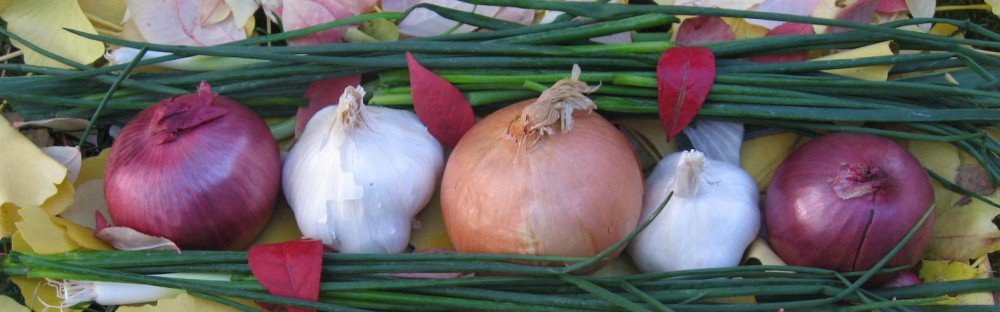
Moo shoo veggies, wrapped in lettuce instead of carbs.
Resolved to cut carbs? Good idea. Carbs are linked to high blood sugar, which in turn is linked to diabetes, heart disease, fat and even cancer.
Here are some creative substitutes:
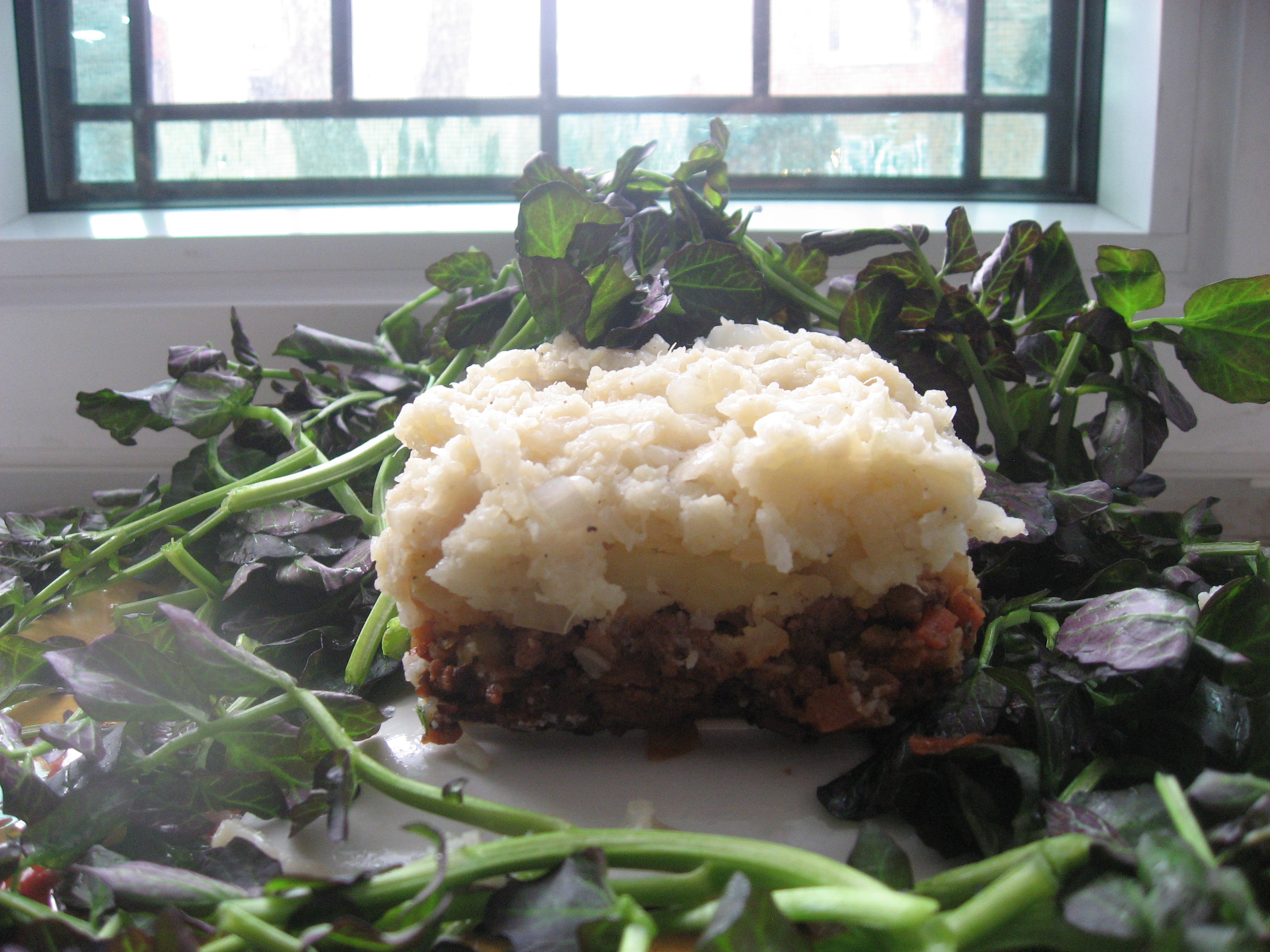
Anti-cancer Pasture Pie, our version of Shepherd’s.
January 2016 update: New research suggests that restricting the amino acid methionine may be a very important anti-cancer and anti-aging strategy. “If I had cancer, I would certainly seek to restrict methionine in my diet, probably to 1 gram a day ” says Australian researcher Dr. Paul Cavuoto. Animal muscle is rich in methionine so keep consumption low, especially if you have cancer.
Who said you can’t have a little beef every now and then on an anti-cancer diet? Just make sure it’s organic and grass-fed. Continue reading
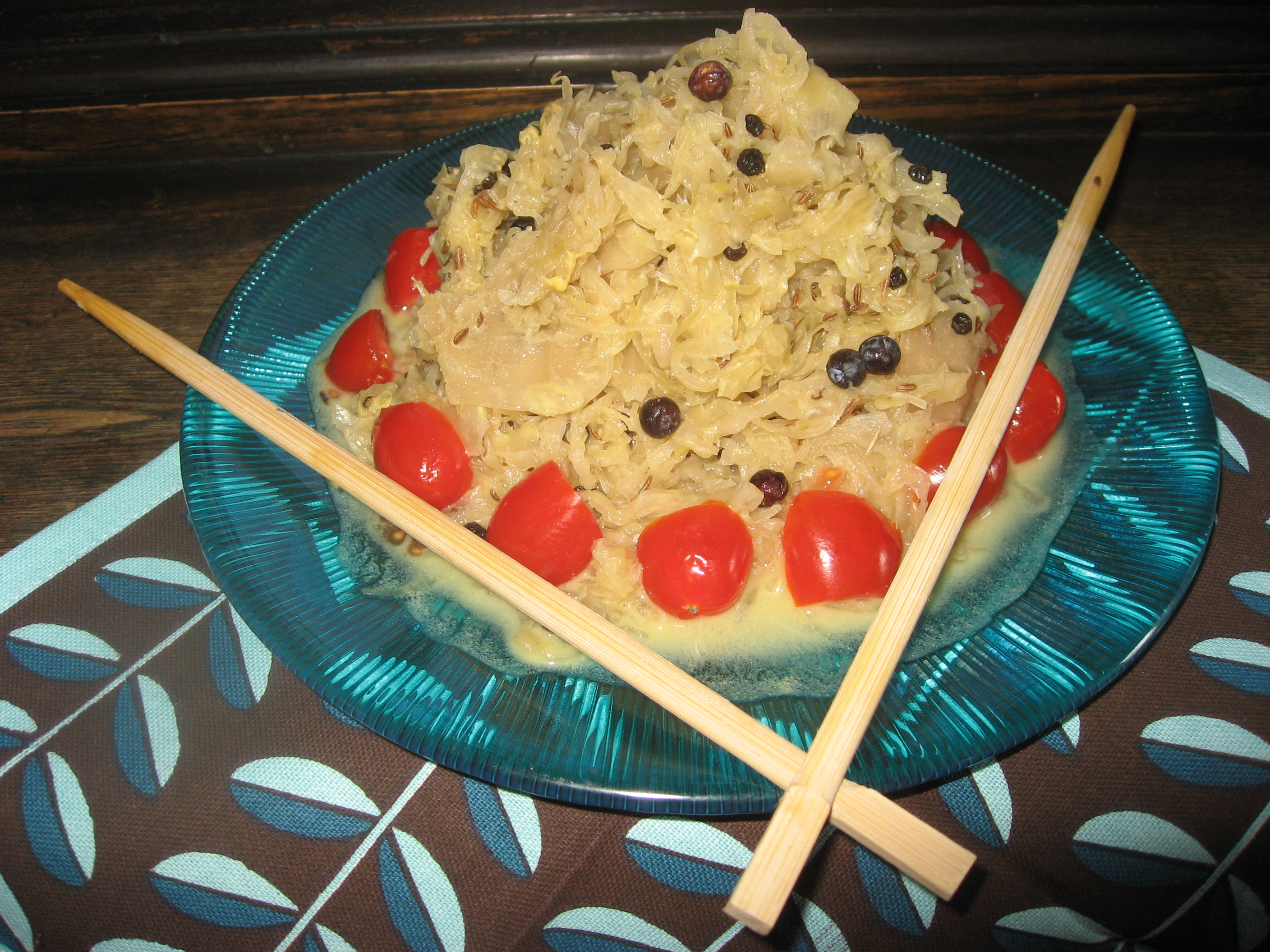
Warm sauerkraut with mustard and other goodies
Like other fermented foods, sauerkraut contains hefty amounts of beneficial bacteria—and those bacteria turn the fiber you eat into butyrate, a powerful fatty acid.
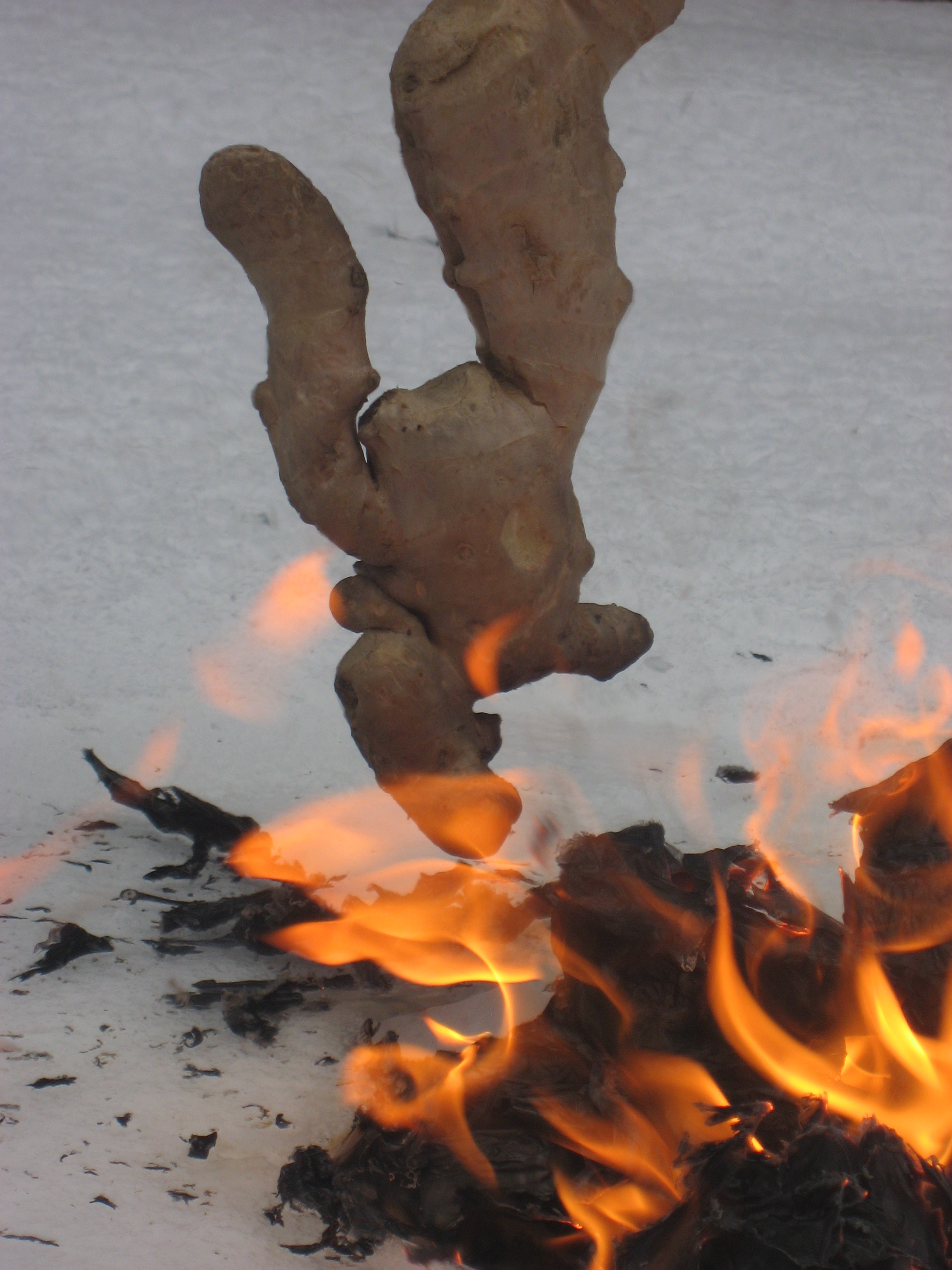
Ginger root seems to help smoulder inflammation associated with cancer.
Inflammation “contributes to tumor proliferation, angiogenesis, metastasis and resistance to hormonal and chemotherapy.”—cancer researchers, 2009

Cherries from Chili spotted in Canada in January. Worth breaking the “eat local” guidelines?
Next time you need a nibble on something sweetish, grab a handful of fresh tart cherries. They could help control your estrogen levels.

What’s hiding in commercial stock?
Working too hard to find time to make your own stock from scratch? Before you grab a substitute, check out the ingredient list. Continue reading
 Is it safe to add beans from a can to your anti-cancer pantry? Are some brands better than others?

Want advice about complementary approaches?
September 2018 update Add to the list the following naturopaths who take a metabolic approach to cancer:
You or someone you know facing a cancer diagnosis? Need help getting through treatments? Want to know which supplements might be beneficial or harmful? I’ve researched this thoroughly for my own well-being and guarantee that these resources are tops. One’s an M.D; one’s an N.D., a naturopath; the other, a PhD in nutrition. They all believe in working with conventional medicine as well. Continue reading

What’s a good way to store watercress? Read on…
Today, we’re adding a new feature to the site: We give you the anti-cancer ingredient; you give us your best recipe. This week, the star is watercress, a crucifer with a strong bite, both nutritionally and in its peppery taste.

What does kale have to do with alcohol? You’ll have to read to the end to find out.
For a brief update on alcohol’s link to breast cancer, click here.
The proof keeps getting stronger and stronger: Alcohol increases your risk of getting cancer, especially certain common kinds. Continue reading

Epigallocatechin gallates (EGCGs) from green tea were one of the first dietary components identified as protective against angiogenesis, the process by which cancer cells develop blood vessels in order to grow and spread. Today researchers have found many more compounds that affect angiogenesis.
Exactly how do foods impact our ability to fight cancer? We started talking about that in Part I of The Basics. I owe you a better explanation. Continue reading

We all have cancer cells dormant inside our bodies; the key is to keep them from growing and spreading.
Picture your lawn in the springtime—at the beginning, a few precocious dandelions, then an army of weeds invades your space. We slay them with herbicides, we patiently dig out their roots, yet they continue to multiply.
But what if we changed the soil they grow in? What if we made that soil inhospitable to uncontrolled growth and spread? Continue reading
Sardines, anchovies, mackerel and herring are all good sources of healthy omega 3 fats—small fish that feed low on the food chain, hence less susceptible to accumulating pollutants. But whoa! Continue reading

What to do–and NOT to do– with this bounty of kale?
November 2013 update: Please read the groundbreaking news about crucifers!
Cruciferous veggies may seem tough on the outside, but as we talked about in the first post on these anti-cancer wonders, they’re highly sensitive to boot. If you don’t handle them properly, their magic powers could literally evaporate.
University of Warwick scientist Dr. Paul Thornalley explains: Crucifers contain compounds called glucosinolates that, when mixed with an enzyme (myrosinase), get converted to another compound (isothiocyanates )with high cancer prevention activity. Talk about a mouthful… Continue reading

Dahl soup with mung beans
Taking CT scans or radiation treatments? Confused about what to eat in the wake of Japan’s quake?
● For starters, try miso soup, prescribed by Japanese doctors for radiation poisoning after Hiroshima and Nagasaki. Miso is made by fermenting barley, soybeans and/or brown rice with salt and a fungus loaded with enzymes and probiotics. According to Japanese researchers, it helps protect the body from absorbing radiation. Continue reading
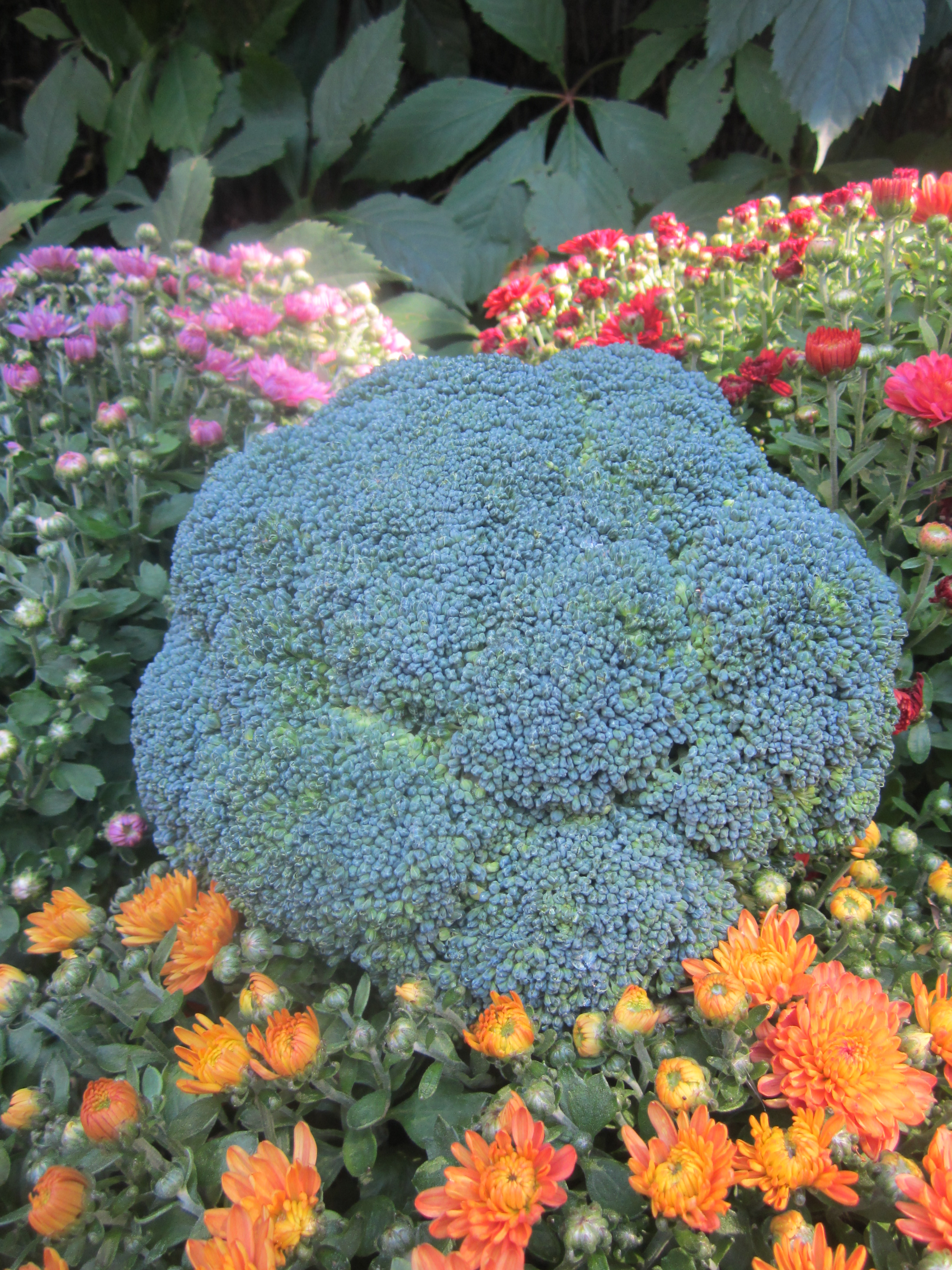 A tasty dinner, in 20 minutes …
Forget the pasta. It’s loaded with carbs, which wreak havoc with your blood sugar–and you probably know by now that sugar metabolism has been linked to cancer growth. Here, broccoli flowers stand in for pasta and give you cancer-fighting nutrients to boot. Continue reading
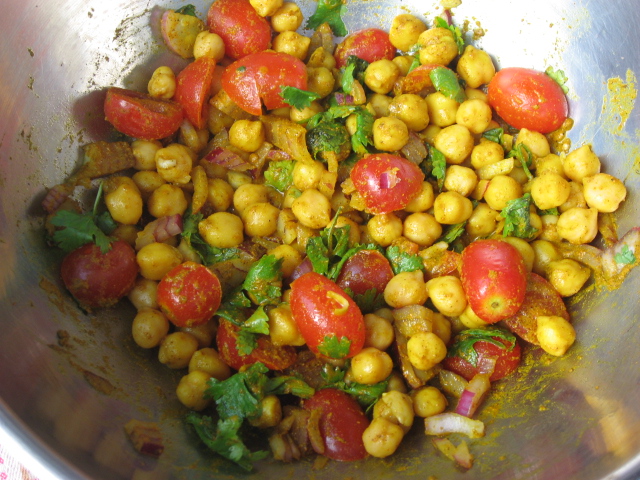
Turmeric concoction with chickpeas
Turmeric, the yellow spice that gives curry its bright color and peppery flavor, has been revered in India and China for thousands of years for its wide range of medicinal properties.
Its active ingredient, curcumin, is arguably nature’s most powerful anti-inflammatory and has shown great promise in many studies as an anti-cancer agent —reducing tumor growth and metastases, helping stimulate cancer cells to commit suicide and enhancing the effectiveness of chemotherapy. Continue reading
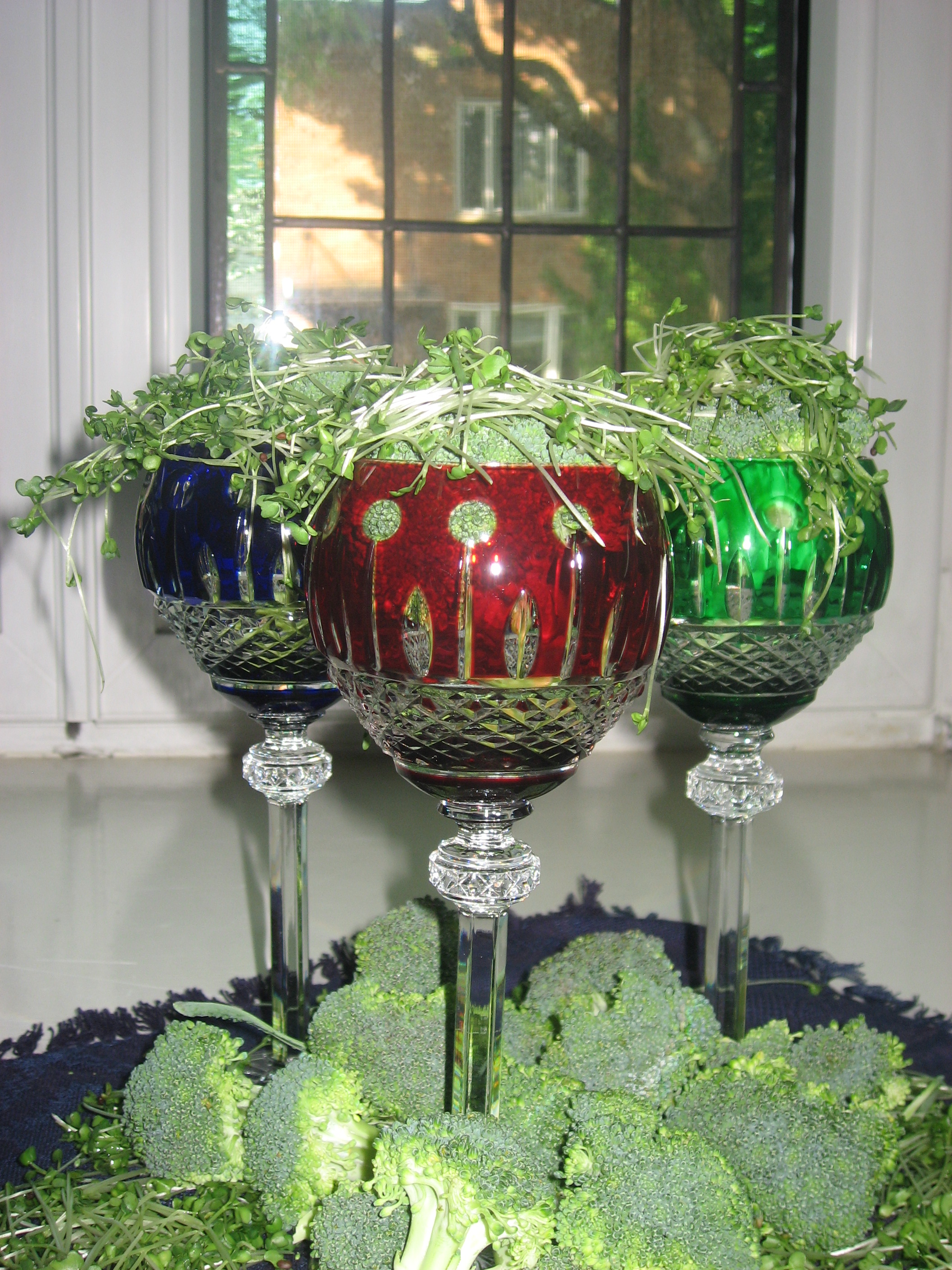
Broccoli and particularly its powerful baby sprouts are among the reigning monarchs in the crucifer family
November 2013 update: Please read the groundbreaking news about crucifers!
Along with vegetables from the Allium family, cruciferous ones TOP the list of foods that fight cancer: Broccoli sprouts and broccoli, Brussels sprouts, cauliflower, cabbage, kale, collards, mustard greens, arugula, watercress, rutabaga and radishes.
The reason:
Meet the Allium family: garlic, onions, leeks, scallions, shallots and chives.
When it comes to cancer, they’re incendiary–packed with sulphur containing molecules that ward off disease. And no wonder they’re so powerful. They originated in central Asia north of Afghanistan—as pests go, a tough neck of the woods.
The ancient Egyptians, Chinese and Greeks all cherished Alliums for their medicinal value, and in the mid 1800s Louis Pasteur proved them right. He showed that garlic fights bacteria. Continue reading
Who are among the world’s top experts on nutrition and cancer?
With all the blather out there in the information universe, we all know that you’re only as good as your sources. As a journalist, I’ll tap into the world’s foremost experts on cancer and nutrition, digest their thoughts and then deliver their advice atop platters of inviting recipes. I’ll tell you where the experts differ in opinion—some say no alcohol; others tout red wine, for example (Don’t believe them)– and declare my philosophical bias at the outset: If you’re fighting cancer, follow the opinion that’s the least risky. Continue reading
 Eat and Beat Cancer